Table of Content
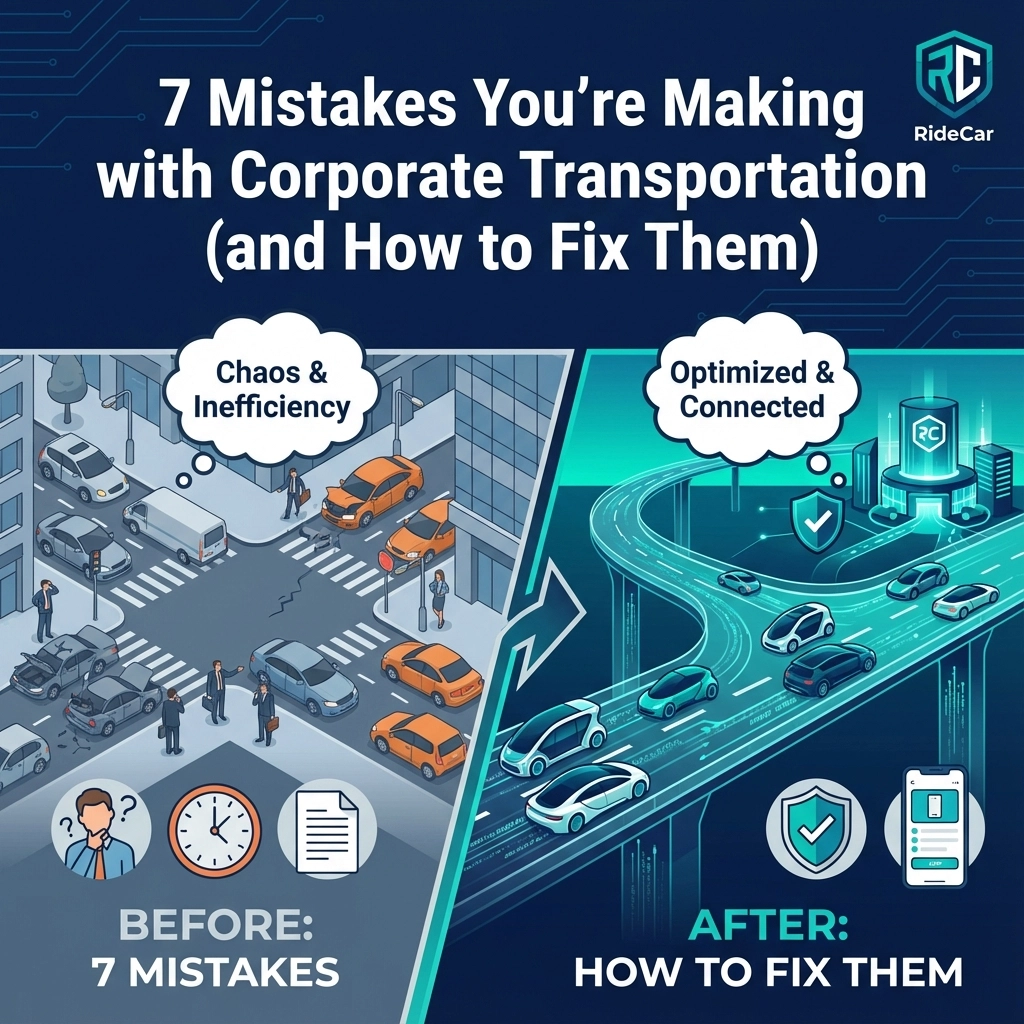
Corporate transportation management demands precision, reliability, and strategic oversight. Yet even the most established organizations fall into operational traps that compromise efficiency, inflate costs, and damage professional reputation. These seven critical mistakes are costing your company more than you realize: and the solutions are within your immediate reach.
1. Inadequate Route Planning and Optimization
The Critical Error: Your transportation operations rely on outdated routing methods that ignore real-time traffic patterns, weather disruptions, and optimal scheduling windows. This oversight creates cascading inefficiencies that impact every aspect of your corporate mobility program.
Poor route planning manifests in multiple ways: executives arriving late to crucial meetings, unnecessary fuel expenditure, driver overtime costs, and frustrated passengers who lose confidence in your transportation reliability. When your corporate transportation lacks strategic routing, you're essentially throwing money away while compromising professional standards.
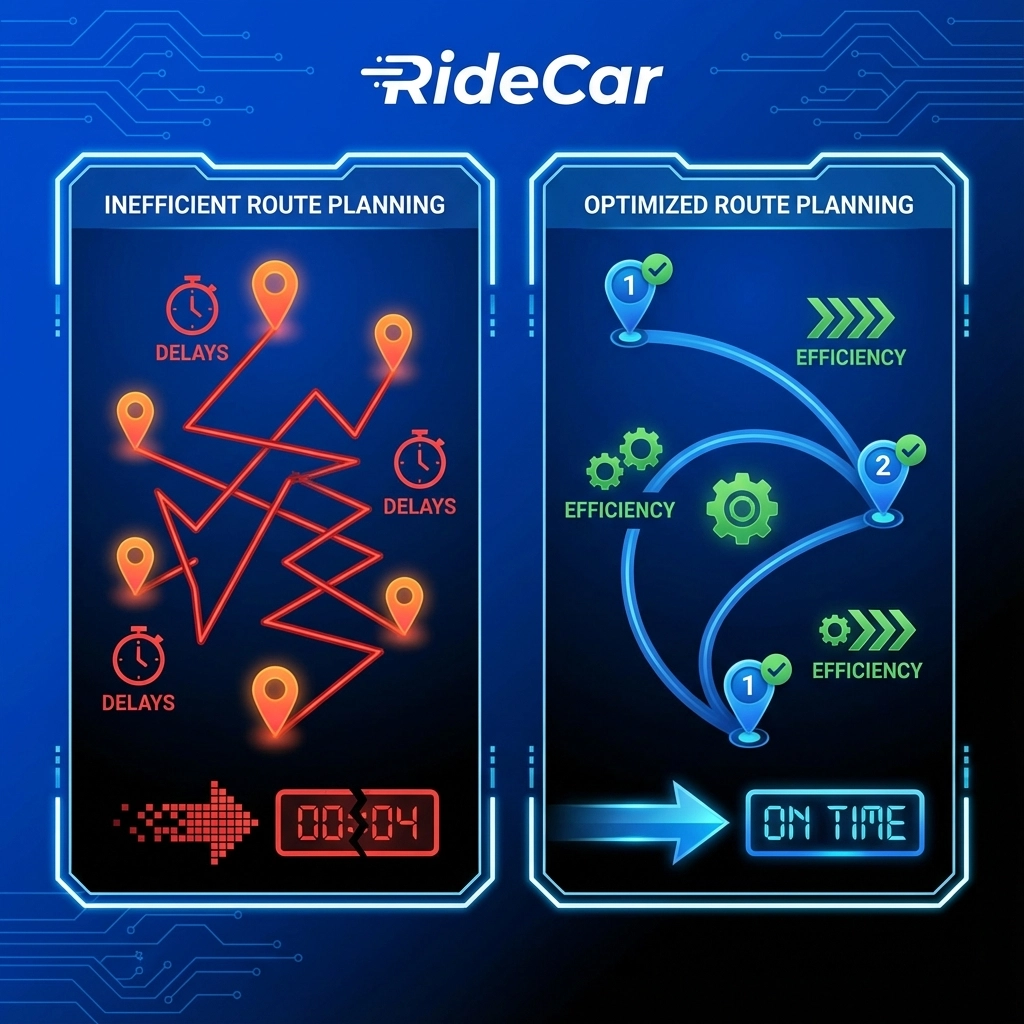
The Strategic Solution: Implement sophisticated route optimization technology that factors in traffic patterns, weather conditions, and delivery time windows. Modern transportation management systems analyze historical data to predict optimal routes and automatically adjust for unexpected disruptions.
Partner with transportation providers who utilize advanced GPS tracking and real-time traffic monitoring. These systems enable dynamic route adjustments that keep your executives on schedule while minimizing costs. Regular route audits ensure your transportation strategy adapts to changing business patterns and location requirements.
Your transportation partner should provide detailed reporting on route efficiency metrics, allowing you to make data-driven decisions about pickup locations, timing, and resource allocation.
2. Neglecting Regulatory Compliance and Documentation
The Critical Error: Transportation regulations vary significantly across jurisdictions, and compliance failures expose your organization to substantial fines, legal liability, and operational disruptions. Many corporate transportation programs operate without comprehensive understanding of local, state, and federal requirements.
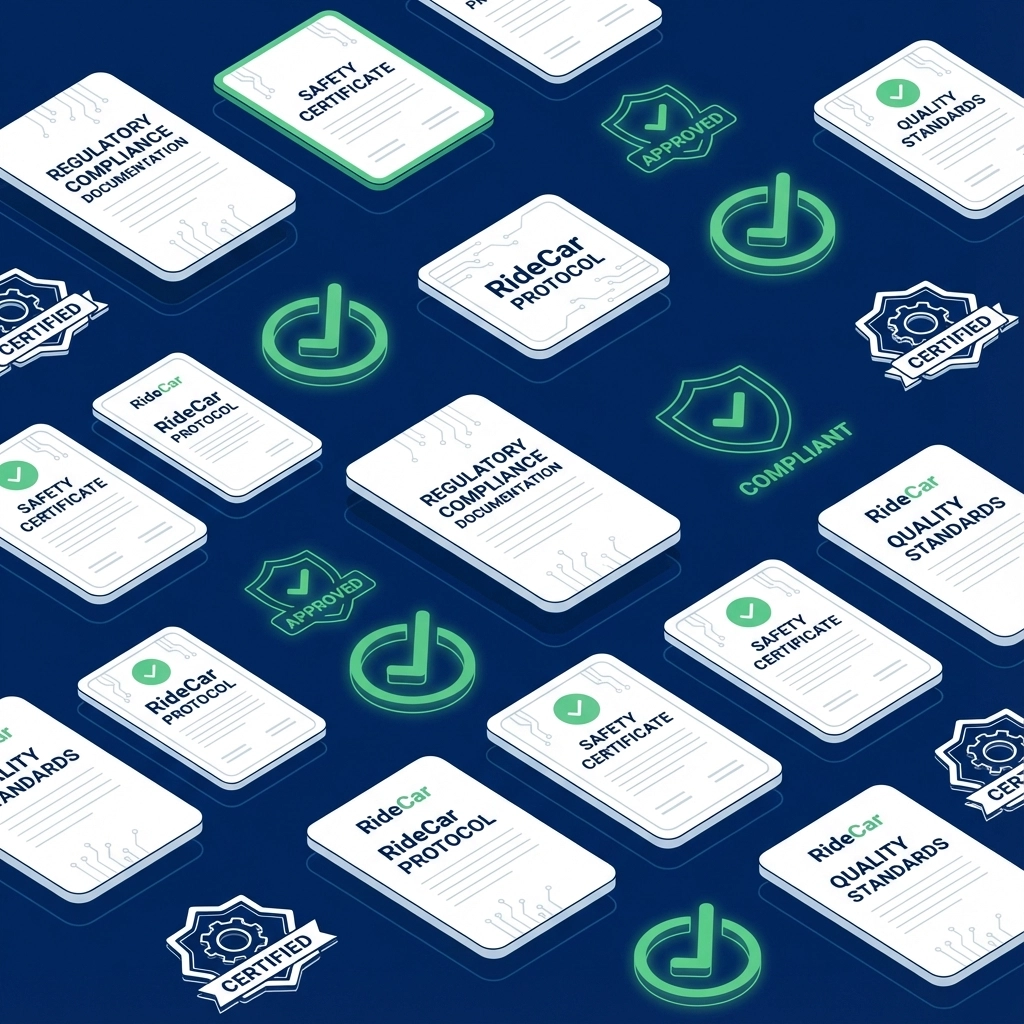
Regulatory oversights include inadequate driver background checks, insufficient vehicle inspections, improper insurance coverage, and failure to maintain required documentation. These compliance gaps create significant risk exposure that can result in service interruptions during critical business periods.
The Strategic Solution: Establish partnerships with transportation providers who maintain rigorous compliance protocols and comprehensive documentation systems. Your chosen provider should demonstrate current certifications, proper insurance coverage, and adherence to all applicable regulations.
Implement regular compliance audits that verify driver qualifications, vehicle maintenance records, and insurance documentation. Your transportation partner should provide transparent access to compliance records and proactive notifications about regulatory changes that impact your operations.
Ensure your transportation agreements include specific compliance requirements and penalty clauses that protect your organization from regulatory violations. This approach transfers compliance responsibility to qualified professionals while maintaining accountability.
3. Poor Communication Protocols and Information Management
The Critical Error: Communication breakdowns between passengers, drivers, dispatchers, and corporate administrators create confusion, delays, and service failures. Without standardized communication protocols, your transportation operations become reactive rather than proactive.
Common communication failures include inadequate trip confirmation procedures, poor real-time updates during service disruptions, limited visibility into driver location and arrival times, and insufficient coordination between multiple transportation requests. These breakdowns damage professional relationships and create unnecessary stress for executives and administrative staff.
The Strategic Solution: Establish comprehensive communication protocols that provide real-time visibility into all transportation activities. Your transportation partner should offer sophisticated tracking systems that allow passengers and administrators to monitor vehicle location, estimated arrival times, and service status updates.
Implement automated confirmation systems that verify trip details, passenger contact information, and special requirements well in advance of scheduled services. These systems should include contingency protocols for weather delays, traffic disruptions, and last-minute schedule changes.
Ensure your transportation provider maintains 24/7 dispatch capabilities with direct communication lines for emergency situations and schedule modifications. Clear escalation procedures guarantee that urgent transportation needs receive immediate attention and appropriate priority handling.
4. Ignoring Data Analytics and Performance Metrics
The Critical Error: Operating without comprehensive data analysis prevents your organization from identifying cost optimization opportunities, service improvement areas, and emerging transportation trends. Many corporate programs track basic costs but ignore valuable operational metrics that drive strategic decisions.
Without proper analytics, you cannot accurately measure transportation ROI, identify underperforming routes or providers, optimize scheduling patterns, or forecast future transportation needs. This data blindness leads to continued inefficiencies and missed opportunities for substantial cost savings.

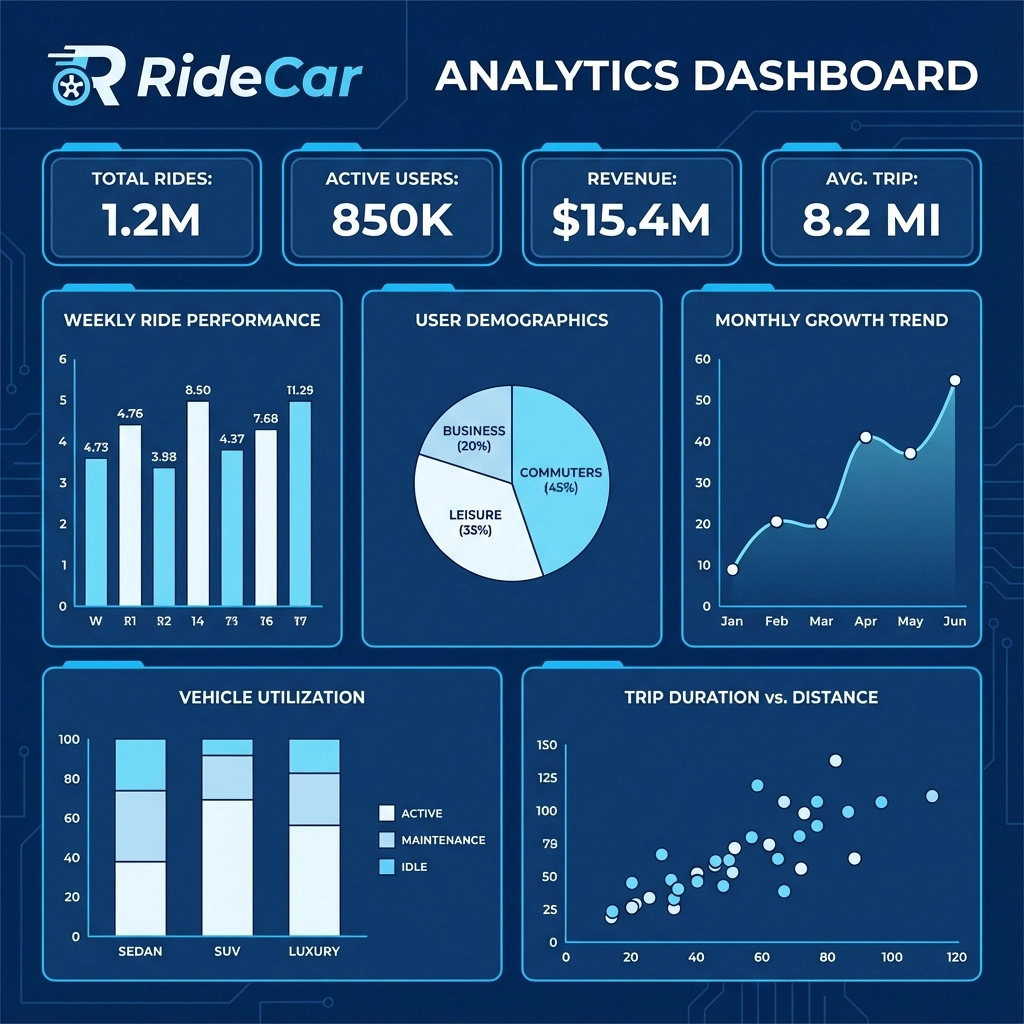
The Strategic Solution: Implement comprehensive transportation management systems that capture detailed metrics on costs, timing, passenger satisfaction, and operational efficiency. These systems should provide automated reporting capabilities that highlight trends, anomalies, and optimization opportunities.
Track key performance indicators including on-time performance rates, cost per mile, passenger satisfaction scores, and service reliability metrics. Regular analysis of this data enables informed decisions about provider selection, route optimization, and service level adjustments.
Your transportation partner should provide detailed monthly reports with actionable insights about your transportation usage patterns, cost trends, and service performance metrics. This transparency enables continuous improvement and strategic planning for future transportation requirements.
5. Inefficient Cost Management and Procurement Practices
The Critical Error: Many organizations approach corporate transportation procurement without comprehensive market analysis, rate negotiation strategies, or ongoing cost monitoring. This passive approach results in unnecessarily high transportation costs and missed opportunities for significant savings.
Inefficient cost management includes accepting standard rates without negotiation, failing to leverage volume discounts, ignoring seasonal pricing variations, and neglecting to review contracts regularly. These oversights compound over time, creating substantial unnecessary expenses that impact your organization's bottom line.
The Strategic Solution: Develop sophisticated procurement strategies that leverage your transportation volume for optimal pricing while maintaining service quality standards. Conduct regular market analysis to ensure your transportation costs remain competitive within your industry and geographic markets.
Negotiate comprehensive service agreements that include volume discounts, guaranteed rate stability, and performance incentives. These contracts should specify service level requirements, response time guarantees, and penalty clauses for service failures.
Monitor transportation expenses through detailed cost allocation systems that track spending by department, project, or individual user. This visibility enables accurate budgeting, cost center accountability, and identification of usage patterns that inform future procurement decisions.
6. Overlooking Safety Standards and Risk Management
The Critical Error: Compromising safety standards in pursuit of cost savings or operational convenience creates substantial liability exposure and puts your organization's most valuable assets: your people: at unnecessary risk. Many corporate transportation programs lack comprehensive safety protocols and risk assessment procedures.
Safety oversights include inadequate driver screening, insufficient vehicle maintenance protocols, poor emergency response procedures, and failure to verify insurance coverage adequacy. These gaps create potential for accidents, injuries, and significant legal liability that far exceeds any short-term cost savings.
The Strategic Solution: Establish uncompromising safety standards that prioritize passenger protection while maintaining operational efficiency. Your transportation provider should demonstrate comprehensive driver background checks, ongoing training programs, and rigorous vehicle maintenance protocols.
Verify that all vehicles meet or exceed safety standards with regular inspections, current certifications, and appropriate insurance coverage. Your transportation partner should provide detailed safety records, accident statistics, and emergency response procedures for your review.
Implement passenger safety briefings and emergency communication protocols that ensure appropriate response during unexpected situations. These procedures should include direct communication lines to emergency services and clear escalation procedures for various risk scenarios.
7. Laissez-Faire Carrier Management and Vendor Relations
The Critical Error: Using multiple transportation providers without performance monitoring, rate comparison, or service standardization creates operational complexity, cost inefficiencies, and inconsistent service quality. This fragmented approach prevents optimization and compromises your organization's transportation standards.
Poor carrier management includes accepting substandard performance, failing to negotiate competitive rates, ignoring service quality metrics, and lacking contingency providers for capacity constraints. These oversights result in higher costs, service disruptions, and professional embarrassment during critical business activities.
The Strategic Solution: Consolidate your transportation requirements with qualified providers who demonstrate consistent service excellence, competitive pricing, and scalable capacity. This strategic partnership approach enables better rate negotiations, service standardization, and accountability for performance metrics.

Establish comprehensive vendor management protocols that include regular performance reviews, service quality assessments, and cost benchmarking against market alternatives. Your primary transportation partner should provide backup capacity and contingency solutions that ensure service continuity during peak demand periods.
Maintain strategic relationships with secondary providers who can supplement capacity during unusual requirements or provide alternative solutions when your primary provider experiences service disruptions. This balanced approach ensures reliability while maintaining competitive pricing pressure.
Elevating Your Corporate Transportation Strategy
These seven mistakes represent common operational oversights that compromise transportation efficiency, increase costs, and damage professional reputation. However, each mistake presents an immediate opportunity for improvement and competitive advantage.
Successful corporate transportation management requires strategic planning, qualified partnerships, and continuous optimization. Organizations that address these critical areas position themselves for superior service delivery, cost optimization, and operational excellence that supports broader business objectives.
The investment in professional transportation management pays dividends through improved executive productivity, enhanced corporate image, reduced administrative burden, and substantial cost savings over time. Your organization deserves transportation solutions that reflect your commitment to excellence and professional standards.
Ready to eliminate these costly mistakes from your corporate transportation program? Contact our transportation specialists to discuss customized solutions that address your specific requirements while delivering the reliability, efficiency, and professional service your organization demands.